
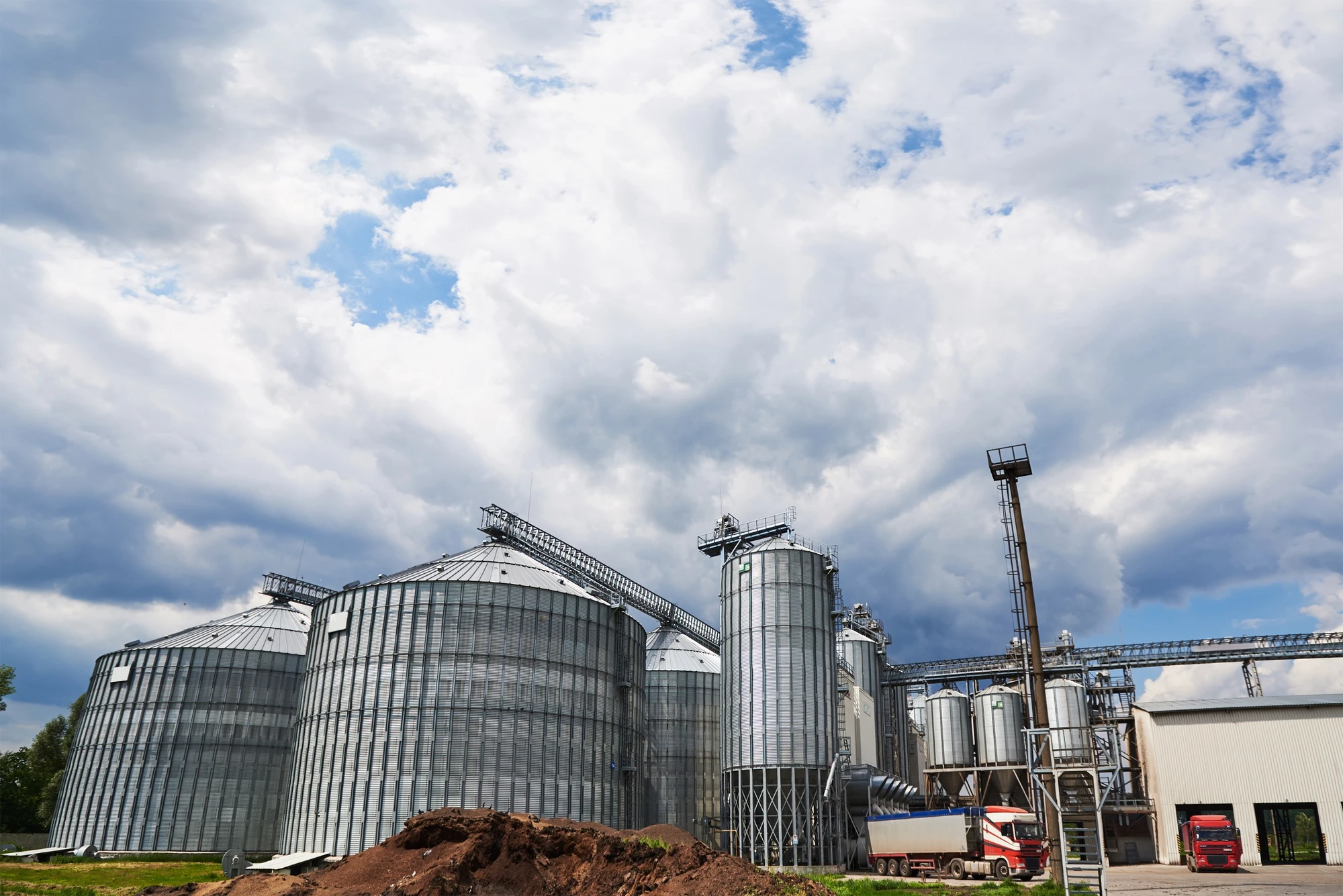
Clean energy is evolving quickly, especially in Washington where sustainability targets continue to rise. Biofuel Power Generation Solutions in Washington offer a practical way to produce reliable energy while lowering environmental impact.
For companies working with McHale & Associates, Inc., the focus goes beyond simply installing systems—it’s about proving they perform efficiently in real-world conditions. This article explains how biofuel systems work, why testing matters, and how businesses can meet clean energy goals with confidence.
Quick AnswerBiofuel Power Generation Solutions in Washington use organic materials like biomass and waste fuels to generate electricity. They support clean energy goals by reducing emissions and providing stable power—especially when backed by proper engineering, plant performance testing, and system validation. |
What Are Biofuel Power Generation Solutions?
Biofuel power generation uses organic materials such as agricultural waste, wood biomass, or renewable fuels to produce energy.
These systems are commonly used in:
- Industrial plants
- Utility-scale energy facilities
- Power Generation in Redmond WA projects
- Hybrid renewable systems
Why They Stand Out
Unlike solar or wind, biofuel systems can deliver consistent, on-demand energy, making them essential for grid stability.
Why Is Biofuel Energy Important for Washington?
Washington has strict environmental goals focused on reducing emissions and increasing renewable energy use.
Biofuel systems support these goals by:
- Lowering carbon emissions
- Using waste resources efficiently
- Providing steady power output
Organizations like the U.S. Department of Energy highlight bioenergy as a key component of clean energy transition: 👉 https://www.energy.gov/eere/bioenergy
The Role of Engineering in Biofuel Power Generation
Installing a biofuel system is only one part of the process.
Ensuring it performs efficiently and meets compliance standards is where engineering expertise becomes essential.
With guidance from McHale & Associates, Inc., businesses can evaluate:
- Combustion efficiency
- Emissions control
- Fuel consistency
- System integration with existing infrastructure
Without proper validation, even well-designed systems can underperform.
How Plant Performance Testing Supports Biofuel Systems
Plant Performance Testing plays a critical role in verifying that biofuel systems operate as expected.
Testing evaluates:
- Actual energy output vs. design projections
- Fuel efficiency and consumption rates
- Emissions compliance
- Equipment performance under load
- Measurement accuracy using calibrated tools
McHale & Associates, Inc. uses advanced methodologies and calibrated instruments to ensure accurate and reliable testing results.
Why Performance Validation Is Critical in Washington
Washington’s regulatory environment requires strict compliance and documentation.
Accurate testing supports:
- Environmental reporting
- Regulatory compliance (EPA standards) 👉 https://www.epa.gov/
- Corporate sustainability goals
- Investment-backed energy projects
For businesses, performance validation isn’t optional—it’s essential for credibility and long-term success.
Where McHale & Associates, Inc. Fits In
McHale & Associates, Inc. provides specialized engineering support for Biofuel Power Generation Solutions in Washington, focusing on validation and performance testing.
Their role includes:
- Independent Plant Performance Testing
- Use of Calibrated Test Equipment in Washington
- Support for Component Testing in Washington
- Verification of system efficiency and compliance
- Detailed reporting for audits and stakeholders
As an independent engineering firm, McHale & Associates, Inc. ensures unbiased, accurate performance validation for biofuel energy systems.
Cost vs. Value: Is Testing Worth It?
| Without Testing | With Testing |
| Uncertain performance | Verified efficiency |
| Higher risk | Reduced risk |
| Compliance issues | Regulatory confidence |
| Poor ROI | Optimized ROI |
Testing is not an extra cost—it’s protection for your investment.
The Cost vs. Value of Biofuel System Validation
Some organizations view testing and validation as an added cost—but it’s actually risk mitigation.
Without validation:
- Systems may underperform
- Emissions may exceed limits
- ROI projections may not be met
- Compliance risks increase
Even small inefficiencies can result in significant long-term losses.
What Makes a Biofuel Power System Successful?
A complete biofuel power project includes:
- Proper engineering design
- Reliable fuel sourcing
- Efficient system integration
- Structured commissioning
- Independent Plant Performance Testing
- Documented compliance and validation
With expertise from McHale & Associates, Inc., these elements come together to ensure long-term performance and reliability.
A Practical Way to Understand Biofuel Energy Performance
Think of biofuel power systems like any industrial asset.
You wouldn’t rely solely on design estimates—you would test, measure, and confirm.
That’s exactly where McHale & Associates, Inc. adds value—turning projections into verified performance data.
Final Thoughts
Biofuel Power Generation Solutions in Washington offer a powerful path toward cleaner, more sustainable energy.
But achieving those goals requires more than installation—it demands engineering oversight, testing, and validation.
With support from McHale & Associates, Inc., biofuel systems can deliver consistent, efficient, and compliant energy for years to come.
Conversion-Focused CTA
Planning a biofuel energy project in Washington?
Ensure your system delivers real, measurable results—not just projections.
Contact McHale & Associates, Inc. today for expert Plant Performance Testing and engineering validation services that protect your investment and support clean energy goals.
Key Takeaways
- Biofuel energy supports Washington’s clean energy transition
- Performance testing ensures systems meet output expectations
- Engineering validation reduces operational and compliance risks
- Consistent power generation makes biofuel a reliable solution
- McHale & Associates, Inc. provides trusted testing and validation expertise
Frequently Asked Questions
1. What are Biofuel Power Generation Solutions in Washington?
They use organic materials to produce energy for industrial and commercial applications while reducing environmental impact.
2. How do biofuel systems support clean energy goals?
They lower carbon emissions, utilize renewable resources, and provide reliable energy output.
3. Why is Plant Performance Testing important for biofuel systems?
It verifies that systems meet efficiency, output, and compliance standards, and McHale & Associates, Inc. specializes in delivering these validation services.
4. Who provides testing for Power Generation in Redmond WA?
Engineering firms like McHale & Associates, Inc. offer independent testing and validation services.
5. Are biofuel systems reliable for long-term use?
Yes, when properly engineered and tested—especially with support from McHale & Associates, Inc.—they provide consistent and sustainable energy.